
Types of Home Insulation: Materials, R-Values, and Applications
A structured comparison of fiberglass batts, blown cellulose, mineral wool, rigid foam, and spray foam—covering thermal resistance, moisture behaviour, and installation constraints.
Detailed reference on insulation materials, air sealing, and thermal performance for homes across Canada's varied climate zones.

Three interconnected factors determine how much heat a home retains: the insulation material and its placement, air leakage points, and window and door performance. Each area has distinct solutions.
From fiberglass batts to spray polyurethane foam, each material has a specific R-value per inch, application method, and suitability for different building assemblies. The choice depends on climate zone, moisture exposure, and access to the cavity being filled.
Air infiltration through gaps in the building envelope is responsible for a significant share of heat loss in older Canadian homes. Common entry points include electrical penetrations, plumbing chases, attic hatches, and unsealed window frames.
Thermal bridging through framing members, insufficient attic insulation depth, and missing vapour barriers are the most common causes of reduced performance in otherwise well-insulated homes. Addressing each systematically yields measurable results.
Canada spans eight heating degree-day zones as defined by the National Building Code of Canada. A home in Winnipeg requires substantially more insulation in the attic floor than one in Vancouver, both due to temperature extremes and heating season length.
The NBC 2020 sets minimum effective thermal resistance values for building envelope components. These differ from rated R-values because framing, fasteners, and structural elements create thermal bridges that reduce whole-assembly performance by 10–30% depending on framing density.
Natural Resources Canada publishes a Home Insulation Guide with zone-specific recommendations for attic, wall, basement, and crawl space assemblies.

A structured comparison of fiberglass batts, blown cellulose, mineral wool, rigid foam, and spray foam—covering thermal resistance, moisture behaviour, and installation constraints.
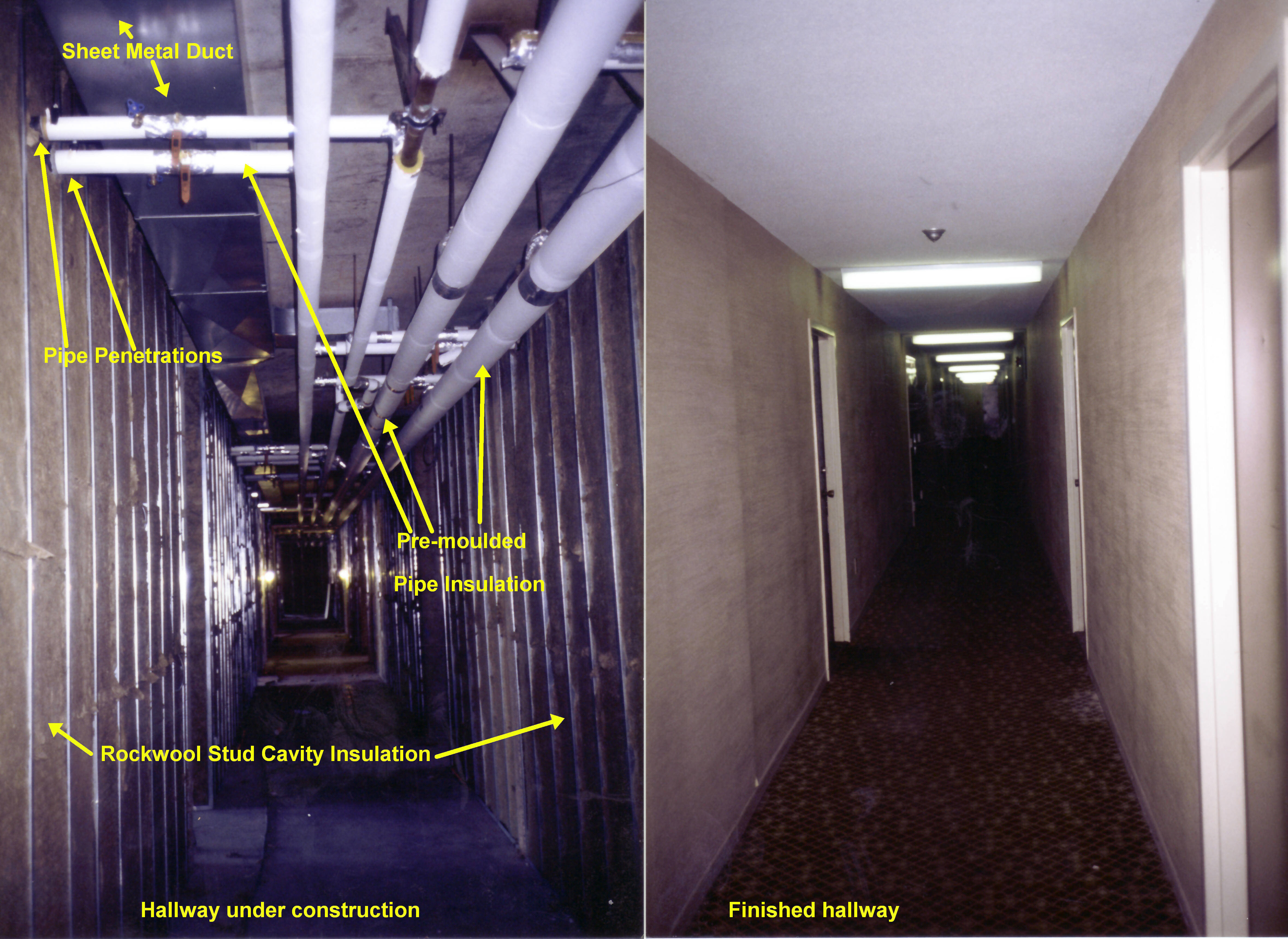
Methods for locating air leakage paths—from blower door tests to the smoke pencil method—and practical approaches to sealing the most common problem areas in Canadian homes.
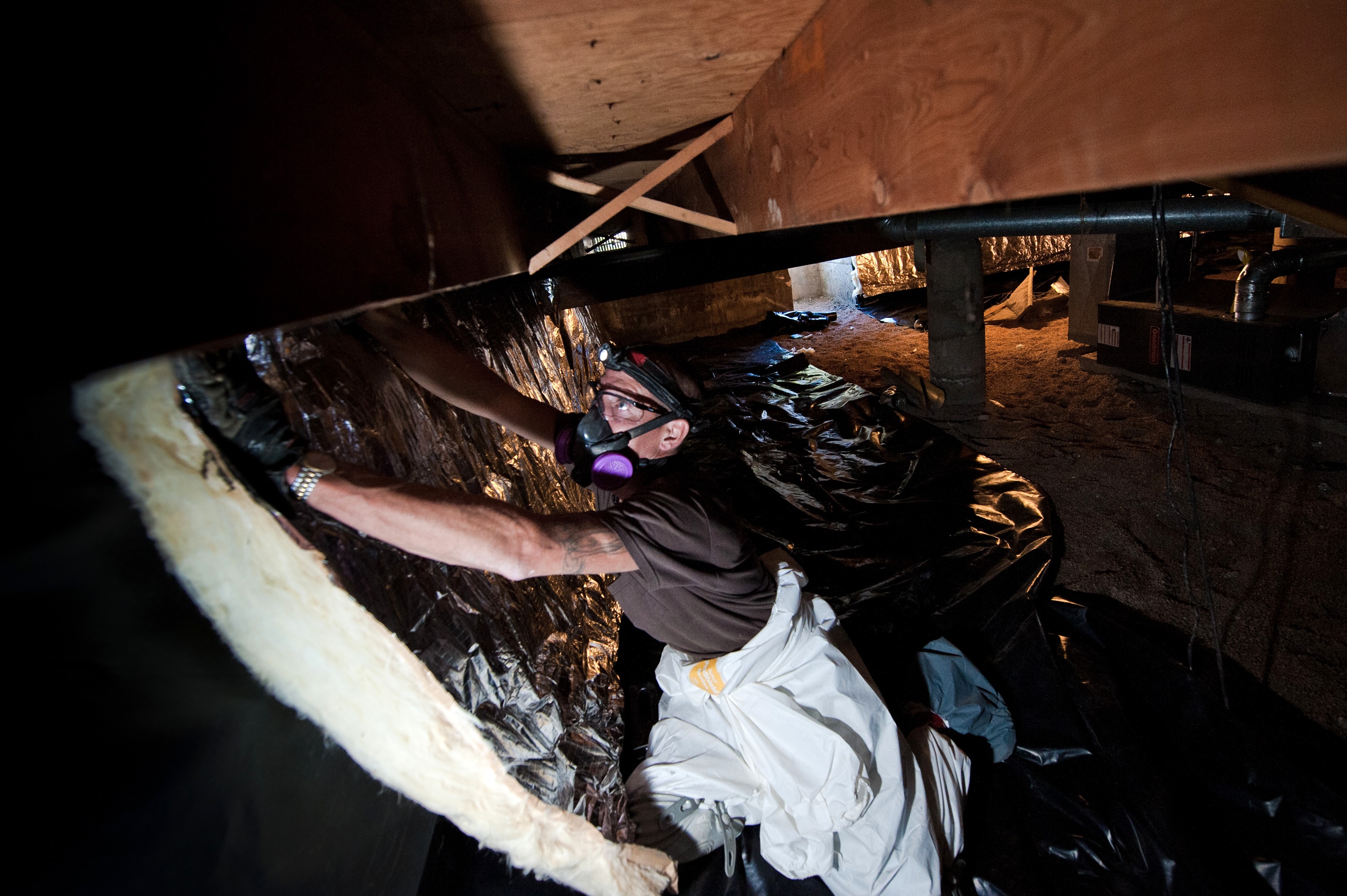
A systematic approach to assessing and upgrading the thermal envelope of existing homes, covering attic air sealing, basement insulation retrofits, and window performance improvements.
Source: National Building Code of Canada 2020 — Natural Resources Canada climate zone mapping.
For questions about the content on this site or to suggest a topic, use the form below.